

Hey there! As a supplier of Blade Fiber Cleavers, I've seen firsthand how crucial it is for these tools to perform at their best. In this blog, I'm gonna break down the factors that can affect the performance of a Blade Fiber Cleaver. Whether you're a professional in the fiber - optic industry or just someone looking to understand these devices better, this info can be super useful.
1. Blade Quality
The blade is the heart of a Blade Fiber Cleaver. Its quality can make or break the cleaving process. High - quality blades are made from extremely hard and wear - resistant materials. For example, some blades are crafted from industrial diamonds or tungsten carbide. These materials can withstand the repeated pressure and friction involved in cleaving optical fibers.
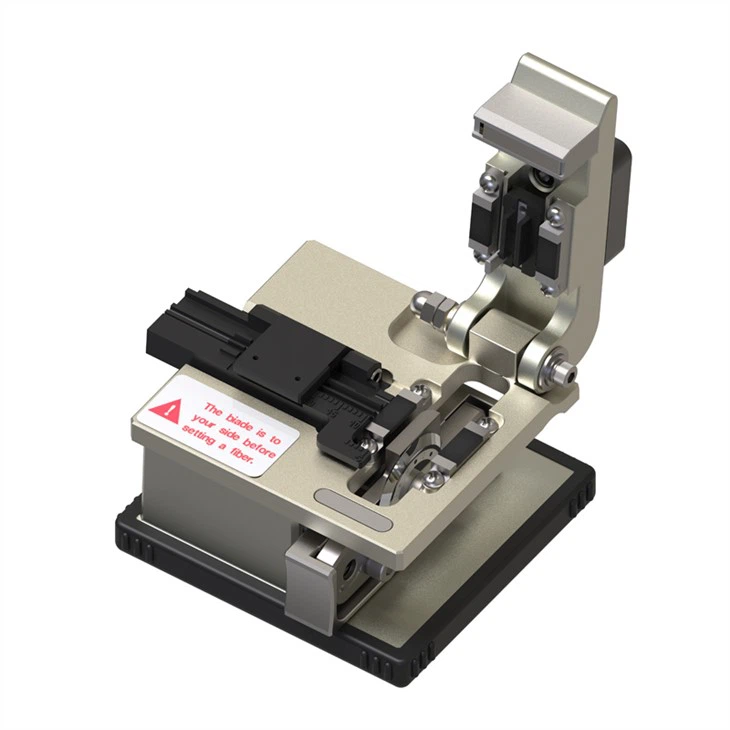
A dull or damaged blade will lead to poor cleaving results. If the blade edge isn't sharp enough, it won't be able to cleanly cut through the fiber. Instead, it might crush or deform the fiber, causing a rough or uneven cleave surface. This can significantly affect the optical performance of the fiber connection. You can check out our Automatic Fiber Cleaver which comes with a top - notch blade designed for precision cleaving.
2. Fiber Type and Coating
Not all optical fibers are created equal. Different fiber types have different physical properties, and these can impact the cleaving performance. Single - mode fibers and multi - mode fibers, for instance, have different core diameters and refractive index profiles. Single - mode fibers usually have a smaller core, which requires more precise cleaving to ensure low - loss connections.
The fiber coating also plays a role. Some fibers come with a thick or tough coating that needs to be removed before cleaving. If the coating isn't properly removed, it can interfere with the cleaving process. On the other hand, if the coating is removed too aggressively, it might damage the fiber itself. Our Cleaver Optical Fiber is designed to handle a wide range of fiber types and coatings, ensuring a clean cleave every time.

3. Cleaving Force and Pressure
Getting the right amount of force and pressure during cleaving is crucial. If the force is too high, it can cause the fiber to break unevenly or create micro - cracks in the fiber. These micro - cracks can lead to increased signal loss and reduced connection reliability. On the other hand, if the force is too low, the blade might not be able to cut through the fiber completely, resulting in a partial cleave.
Most modern Blade Fiber Cleavers allow you to adjust the cleaving force according to the fiber type and diameter. This adjustability ensures that you can achieve the optimal cleaving results for different applications. Our cleavers are equipped with a precise force - adjustment mechanism, so you can fine - tune the cleaving process for the best performance.
4. Environmental Conditions
The environment in which the cleaving takes place can also have an impact. Temperature and humidity are two important factors. In high - humidity environments, moisture can accumulate on the fiber surface, making it more difficult to achieve a clean cleave. The moisture can also cause corrosion on the blade over time, reducing its lifespan.
Extreme temperatures can also affect the fiber and the cleaver. Cold temperatures can make the fiber more brittle, increasing the risk of breakage during cleaving. Hot temperatures, on the other hand, can cause the fiber coating to soften, which can interfere with the cleaving process. It's important to use the cleaver in a controlled environment whenever possible to ensure consistent performance.
5. Operator Skill and Technique
Let's not forget about the person using the cleaver. Operator skill and technique are vital for achieving good cleaving results. A skilled operator knows how to properly handle the fiber, set the cleaving parameters, and maintain the cleaver. They can quickly identify and correct any issues that arise during the cleaving process.
Proper training is essential for operators. They need to learn how to load the fiber correctly, adjust the cleaving force, and clean and maintain the cleaver. Even the slightest mistake in handling the fiber or operating the cleaver can lead to poor cleaving results. We offer training and support to our customers to ensure that they can get the most out of our Fitel Optical Fiber Cleaver.
6. Cleaver Maintenance
Regular maintenance of the Blade Fiber Cleaver is necessary to keep it performing at its best. This includes cleaning the blade and the fiber - holding components. Dust, debris, and fiber fragments can accumulate on the blade and in the cleaver, which can affect the cleaving quality.
You should clean the blade after a certain number of cleaves, following the manufacturer's instructions. Lubricating the moving parts of the cleaver is also important to ensure smooth operation. Additionally, you need to regularly check the blade for wear and replace it when necessary. A well - maintained cleaver will last longer and provide more consistent cleaving results.
7. Alignment and Positioning
Accurate alignment and positioning of the fiber are crucial for a successful cleave. The fiber needs to be properly centered and positioned in the cleaver's V - groove or fiber - holding mechanism. If the fiber is misaligned, the blade might not cut through the fiber at the right angle, resulting in a poor cleave.
Most Blade Fiber Cleavers have built - in alignment features to help with this. Some cleavers use optical alignment systems to ensure that the fiber is perfectly centered. However, it's still important for the operator to double - check the alignment before cleaving.
8. Blade Rotation and Indexing
In many Blade Fiber Cleavers, the blade can be rotated or indexed to expose a fresh cutting edge. This is important because the cutting edge of the blade will wear out over time. By rotating or indexing the blade, you can extend its lifespan and maintain consistent cleaving performance.
However, if the blade isn't rotated or indexed correctly, it can lead to uneven wear and poor cleaving results. It's important to follow the manufacturer's guidelines on how often to rotate or index the blade and how to do it properly.
Conclusion
So, there you have it - the main factors that can affect the performance of a Blade Fiber Cleaver. From blade quality to operator skill, each factor plays a crucial role in achieving clean, precise, and reliable cleaves. As a supplier, we're committed to providing high - quality Blade Fiber Cleavers that can handle all these challenges.
If you're in the market for a Blade Fiber Cleaver or want to learn more about our products, don't hesitate to reach out. We're here to help you find the right solution for your fiber - optic needs. Whether you're a small - scale user or a large - scale enterprise, we have the expertise and products to meet your requirements. Contact us today to start a conversation about your procurement needs and let's work together to get the best results for your fiber - optic projects.
References
- "Fiber Optic Installation and Maintenance Handbook", by some well - known author in the field.
- Manufacturer's manuals for various Blade Fiber Cleavers.
- Industry research reports on fiber - optic cleaving technology.


