

Hey there! As a supplier of Cleaver Fiber, I often get asked about the temperature range for its operation. It's a crucial factor that can significantly impact the performance and lifespan of these devices. So, let's dive right into it.
First off, let's understand why temperature matters when it comes to Cleaver Fiber. These tools are designed to make precise cuts on optical fibers, which are extremely delicate. Any deviation in temperature can cause the materials within the cleaver to expand or contract, leading to inaccurate cuts and potential damage to the fiber. Moreover, extreme temperatures can also affect the internal components of the cleaver, such as the blade and the alignment system, reducing their efficiency and longevity.
The ideal temperature range for most Cleaver Fiber models is between 0°C and 40°C (32°F and 104°F). This range ensures that the device operates smoothly and maintains its accuracy. When the temperature is within this sweet spot, the materials in the cleaver remain stable, and the cutting process is consistent. However, it's important to note that this is a general guideline, and different models may have slightly different temperature requirements.
At the lower end of the temperature spectrum, near 0°C, the main concern is the potential for condensation. When the air around the cleaver cools down, moisture can accumulate on its surface, which can lead to corrosion and electrical issues. To prevent this, it's essential to keep the cleaver in a dry environment and avoid sudden temperature changes. If you need to use the cleaver in a cold environment, allow it to warm up gradually to room temperature before use.
On the other hand, high temperatures can also pose problems. Above 40°C, the internal components of the cleaver can start to overheat, which can cause them to malfunction or even break down. The blade may become dull more quickly, and the alignment system may lose its precision. To avoid these issues, it's important to use the cleaver in a well-ventilated area and avoid exposing it to direct sunlight or other sources of heat.
In addition to the operating temperature range, it's also important to consider the storage temperature. When the cleaver is not in use, it should be stored in a cool, dry place within the recommended temperature range. This helps to preserve the integrity of the device and ensure that it's ready for use when needed.
Now, let's talk about how to ensure that your Cleaver Fiber operates within the optimal temperature range. One of the easiest ways is to use a temperature-controlled environment. If you're working in a laboratory or a production facility, you can use air conditioning or heating systems to maintain a stable temperature. This not only helps to protect the cleaver but also improves the overall quality of your work.

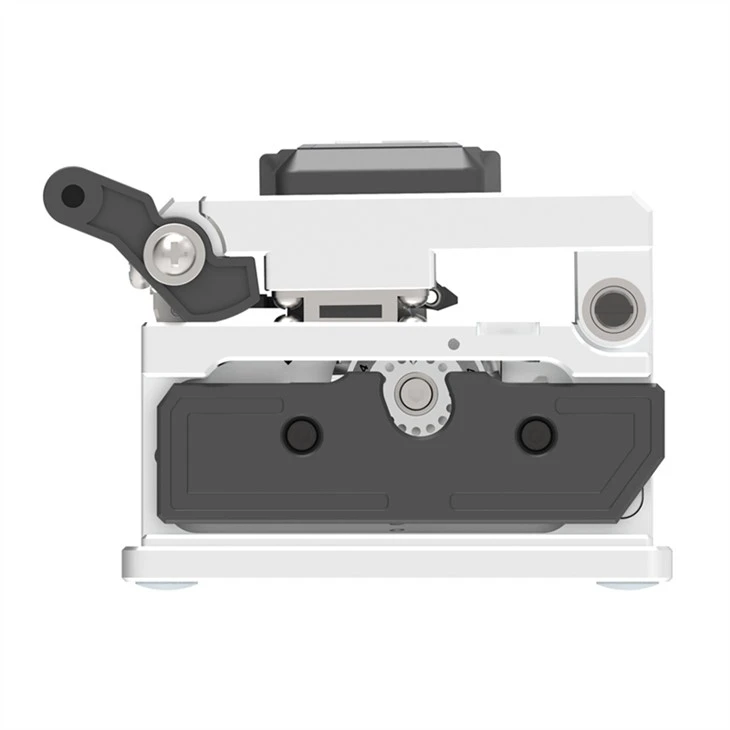
Another important factor is to monitor the temperature regularly. You can use a thermometer to check the temperature of the environment where the cleaver is being used or stored. If the temperature is outside the recommended range, take appropriate action to adjust it. This may involve moving the cleaver to a different location or using additional cooling or heating equipment.
It's also a good idea to follow the manufacturer's instructions regarding temperature. Different models of Cleaver Fiber may have specific temperature requirements, so make sure to read the user manual carefully. The manufacturer may also provide additional tips and guidelines for operating the cleaver in different temperature conditions.
As a supplier of Cleaver Fiber, I offer a wide range of products to meet your needs. Whether you're looking for Fiber Cutting Tools, High Precision Optical Fiber Cleaver, or Precision Fiber Cleaver, I've got you covered. All of my products are designed to operate within the optimal temperature range, ensuring reliable performance and accurate cuts.
If you're interested in purchasing Cleaver Fiber products or have any questions about temperature ranges or other aspects of these devices, I'd love to hear from you. Contact me to discuss your requirements and explore the options available. I'm here to help you find the best solution for your fiber cutting needs.
In conclusion, the temperature range for Cleaver Fiber operation is a critical factor that can affect the performance and lifespan of these devices. By understanding the ideal temperature range, taking steps to maintain it, and following the manufacturer's instructions, you can ensure that your Cleaver Fiber operates smoothly and provides accurate cuts. So, if you're in the market for a high-quality fiber cleaver, don't hesitate to get in touch. I look forward to working with you!
References:
- Manufacturer's user manuals for Cleaver Fiber products
- Industry standards and best practices for optical fiber cutting tools


